

Top 10 EHS Inspection Software Solutions in 2025 Introduction As workplace safety regulations evolve, EHS inspection software has become essential for companies aiming to maintain compliance and efficiency. In 2025, the demand for smart, automated, and user-friendly solutions continues to grow. Organizations are now looking for tools that not only handle inspections but also provide…

EHS Software vs. Manual Inspections: Which One Is Right for You? Introduction When it comes to workplace safety, inspections are non-negotiable. However, as digital tools continue to evolve, businesses face a critical decision: stick with manual inspections or invest in EHS software. While both methods aim to ensure compliance and prevent incidents, the choice between…
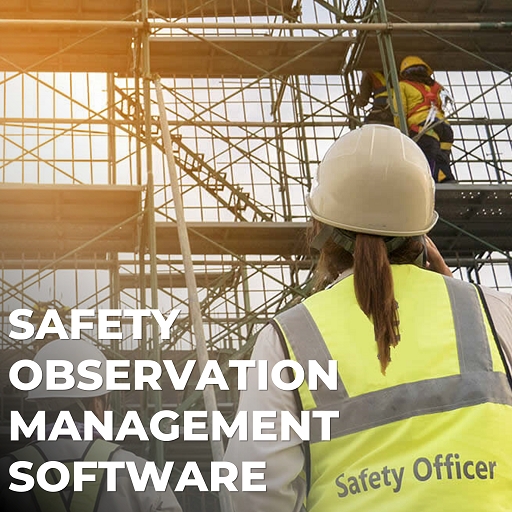
What the Future Holds for Workplace Safety Technology Introduction The landscape of workplace safety technology is undergoing a dramatic transformation. Driven by innovation and the urgent need to reduce risks, companies are moving beyond manual checklists and reactive protocols. Instead, they are embracing connected systems, artificial intelligence, and data-driven decision-making to create smarter, safer work…
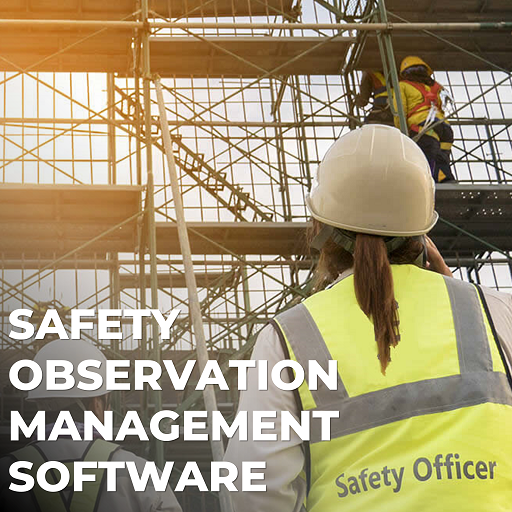
Cybersecurity in EHS Software: Protecting Sensitive Safety Data Introduction As industries embrace digital transformation, EHS software (Environment, Health, and Safety) has become essential for tracking compliance, incidents, audits, and safety permits. However, this digital reliance brings a serious challenge: cybersecurity in EHS software. From worker health records to hazardous material logs, EHS platforms store highly…
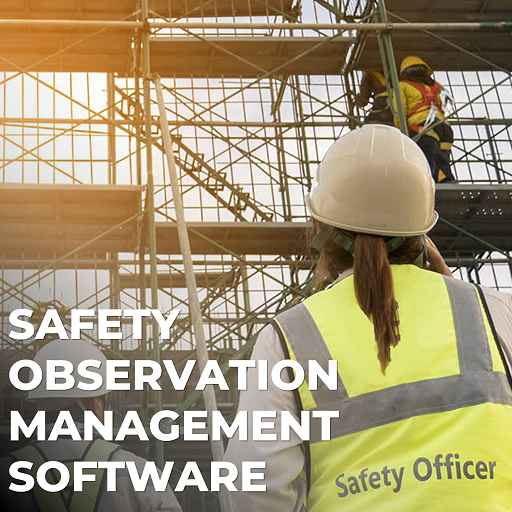
The Role of Drones in Safety Inspections & Compliance Introduction In high-risk industries, ensuring workplace safety and regulatory compliance is a non-negotiable priority. Traditionally, safety inspections required manual checks—often in dangerous, hard-to-reach, or time-consuming areas. Today, however, drones are revolutionizing this process. The role of drones in safety inspections and compliance is expanding rapidly, offering…

How Smart Sensors Are Revolutionizing Workplace Safety Introduction In today’s technology-driven world, organizations are increasingly investing in smart sensor workplace safety systems to safeguard employees, streamline operations, and ensure compliance. These intelligent devices are transforming how companies detect hazards, prevent accidents, and respond to emergencies. Whether in manufacturing, construction, warehousing, or chemical industries, smart sensors…

The Impact of Environmental, Social, and Governance (ESG) Goals on EHS Introduction In today’s evolving regulatory landscape, Environmental, Social, and Governance (ESG) goals are no longer optional—they’re fundamental to sustainable business operations. While ESG once served mainly as a corporate reporting metric, it now actively shapes how companies approach Environment, Health, and Safety (EHS) programs.…
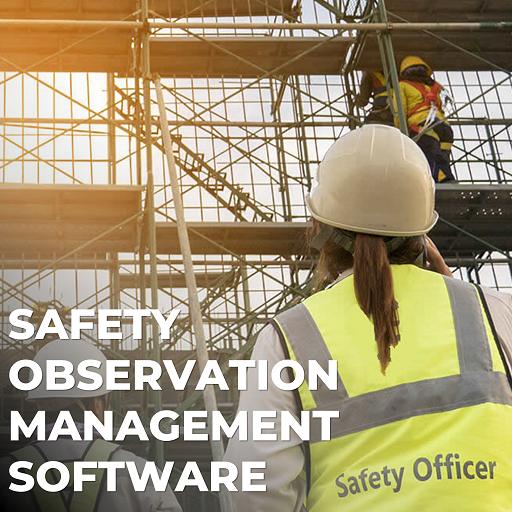
Why Blockchain Technology Could Improve EHS Data Integrity Introduction In today’s digital-first workplaces, data integrity is central to compliance, transparency, and trust. Yet, Environmental, Health, and Safety (EHS) teams still face data tampering, delayed updates, and fragmented systems—often resulting in inaccurate reporting or compliance gaps. This is where blockchain technology could revolutionize how EHS data…
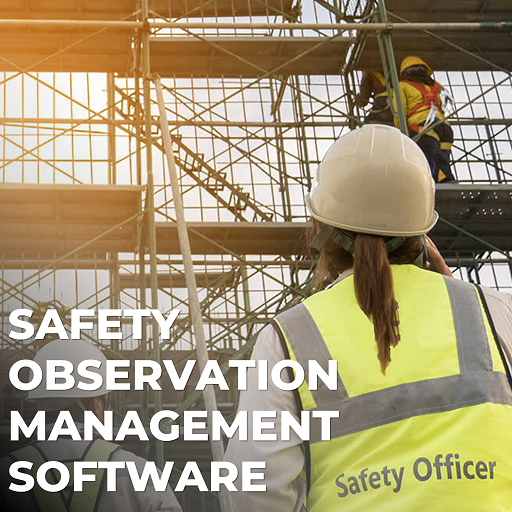
The Future of Digital Safety Training: What’s Next? Introduction In a world driven by digital transformation, traditional safety training is rapidly evolving. The future of digital safety training promises more than just online modules—it’s about interactive learning, adaptive technologies, and real-time performance tracking. As regulations tighten and workplaces become more complex, organizations must rethink how…

Predictive Analytics in Safety: How EHS Software Can Help Introduction Predictive analytics is transforming workplace safety from reactive to proactive. Using historical data, trends, and AI algorithms, it can forecast potential incidents before they happen. Modern EHS software with predictive analytics offers organizations the power to analyze risks, spot safety patterns, and intervene early. As…