

Cloud-Based Quality Control Software: Why It’s the Future Introduction In today’s fast-paced manufacturing world, maintaining consistent product quality is no longer optional it’s essential. That’s where Cloud-Based Quality Control Software transforms the game. Unlike traditional systems, this modern solution enables real-time monitoring, seamless collaboration, and instant access to quality data from anywhere. By adopting Cloud-Based…

Safety Observation Reporting Software: Turning Reports into Action Introduction In modern industries, identifying hazards is only the first step acting on them makes the real difference. That’s where Safety Observation Reporting Software steps in. It transforms simple observations into actionable safety improvements. By digitizing the process, this software ensures that reports don’t just sit idle…

The Future of Workplace Safety with PTW Software Introduction The future of workplace safety lies in digital transformation — and Permit to Work (PTW) Software is leading the way. As industries embrace automation, real-time monitoring, and connected safety systems, PTW software ensures that every work permit, task, and approval process happens efficiently and securely. With…

Future Compliance Tracker Software: Future Trends in Compliance Regulatory compliance is becoming increasingly complex, with frequent updates and stricter enforcement across industries. Businesses can no longer depend on spreadsheets or manual systems to stay compliant. Future compliance tracker software is emerging as a smarter, more adaptive solution to simplify and strengthen compliance processes. AI-Powered Compliance…

Future Legal Compliance Software in a Digital Era The business landscape is evolving rapidly, and so are regulatory expectations. Organizations are adopting future legal compliance software to stay ahead of changing laws, manage risk, and maintain transparency. Digital transformation is no longer optional—it’s essential for surviving in a compliance-driven world. Automation as the New Standard…

Future Legal Tracking Software: Ensure Audit-ready Accuracy In a rapidly changing regulatory environment, organizations must stay current with every legal update. Future legal tracking software is evolving to make compliance simpler, faster, and more intelligent. These systems are no longer just repositories of laws—they’re proactive tools that anticipate changes, analyze impact, and ensure continuous compliance.…
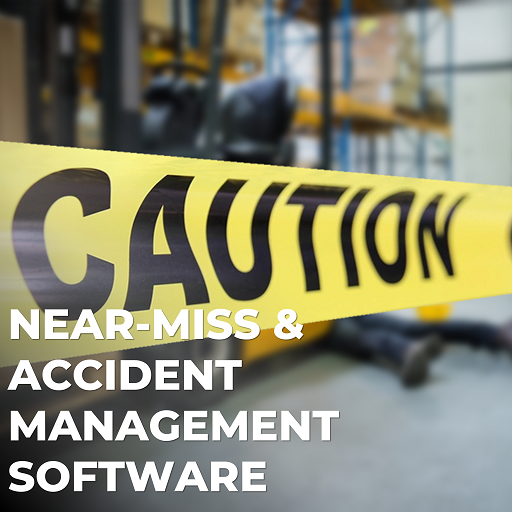
Incident Management Software Integration Smart Tools In modern safety operations, data often comes from multiple systems. Without proper integration, teams face delays, duplication, and missed information. Incident Management Software Integration bridges this gap by connecting all safety, reporting, and communication tools into one streamlined workflow. Simplifying Data Flow Across Systems When systems work in isolation,…

Legal Compliance in the Digital Era: The Importance in 2025 As businesses adopt cloud platforms, digital tools, and data-driven systems, they also face growing regulatory scrutiny. Legal compliance in digital era has become a non-negotiable priority for organizations across all sectors. Regulations now cover everything from data privacy and cybersecurity to industry-specific mandates. Why Legal…

Digital Audit Process Upgrade: Top 10 Reasons If your organization still uses spreadsheets, manual checklists, or disconnected systems for audits, it’s time to rethink your strategy. A digital audit process upgrade can streamline operations, reduce errors, and improve compliance in today’s fast-paced regulatory environment. 1. Increased EfficiencyDigital platforms automate scheduling, reminders, and task assignments, saving…

The Hidden Costs of Not Investing in Complaint Management Solutions Introduction Many businesses think they can manage customer complaints manually—using spreadsheets, scattered emails, or even verbal follow-ups. On the surface, this might seem cost-effective. But behind the scenes, the losses quietly accumulate. Poor complaint handling affects customer retention, reputation, productivity, and compliance. In this blog,…