
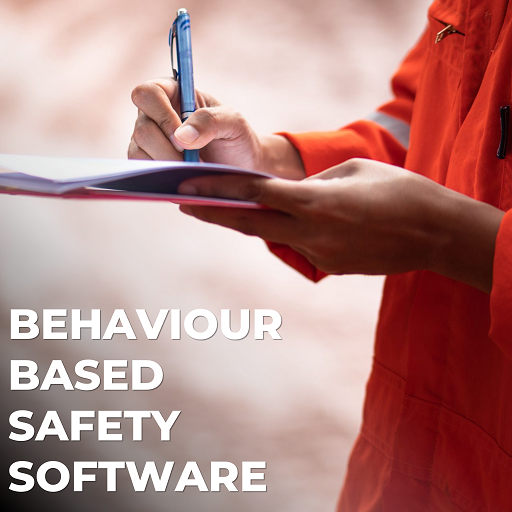
IoT Behaviour-Based Safety is Improving Workplaces The integration of IoT behaviour-based safety systems is transforming how workplaces manage and respond to safety risks. With connected sensors and devices, organizations can now monitor real-time behaviors and conditions—enabling faster, smarter decision-making. Real-Time Data for Real-World Safety IoT devices collect valuable data on equipment usage, employee movements, environmental…

The Growing Role of Sustainability in EHS Compliance Introduction Environmental, Health, and Safety (EHS) compliance has long been the cornerstone of responsible business operations. However, a major shift is now underway—sustainability is becoming a central pillar of EHS compliance. Traditionally, EHS programs focused on preventing workplace incidents and adhering to environmental regulations. Today, companies are…

How AI & Automation Are Shaping the Future of Safety Audits Introduction In today’s high-risk industries, safety audits are more than a compliance activity—they are a strategic tool for preventing accidents and maintaining operational integrity. With evolving regulations and increasing data complexity, traditional audit methods often fall short. That’s where AI and automation in safety…

Encouraging Employees to Report Hazards With Digital Solutions Introduction Workplace safety depends on more than policies and procedures—it thrives on active participation. Yet in many organizations, employees hesitate to report hazards due to fear, inconvenience, or lack of clarity. That’s why encouraging employees to report hazards with digital solutions is crucial. When reporting becomes simple,…

How to Measure the Effectiveness of EHS Software Introduction Investing in Environmental, Health, and Safety (EHS) software is a step toward smarter compliance and safer workplaces. However, installing the system is just the beginning. To justify its value, you must evaluate its real impact. This means going beyond implementation and asking: Is the software delivering…

Prevent Regulatory Violations with AI Compliance Introduction Today, industries face complex and ever-evolving regulations. From environmental standards to data protection laws, staying compliant grows more difficult each year. Meanwhile, enforcement tightens and penalties rise. Fortunately, AI Compliance Safety tools offer a solution. They automate checks, flag risks, and stop violations before they occur. As a…

The Advantages of Using a SaaS-Based EHS Solution Introduction Managing safety, health, and environmental compliance can be overwhelming. Fortunately, a SaaS Based EHS Solution simplifies everything. It offers a flexible, cost-effective way to stay compliant, reduce risks, and improve efficiency. Many businesses now prefer SaaS tools over traditional systems due to their scalability and speed.…

Cut Compliance Costs with Automation Tools In a world of ever-evolving regulations, staying compliant can be both time-consuming and expensive. That’s where compliance cost automation tools come into play. These innovative solutions help businesses cut costs, reduce manual errors, and stay ahead of compliance requirements without draining resources. Why Automate Compliance? Manual compliance processes are…

Managing risks and reporting hazards are two of the most critical components of a successful Environment, Health, and Safety (EHS) program. Yet, organizations often struggle with outdated manual processes, fragmented reporting systems, and limited visibility into risk-prone areas. This leads to missed hazards, delayed responses, and non-compliance with safety regulations. Fortunately, EHS software is transforming…

Cut Compliance Costs with Automation Tools In a world of ever-evolving regulations, staying compliant can be both time-consuming and expensive. That’s where compliance cost automation tools come into play. These innovative solutions help businesses cut costs, reduce manual errors, and stay ahead of compliance requirements without draining resources. Why Automate Compliance? Manual compliance processes are…
- 1
- 2