
Introduction Data accuracy improvements with EHS observation software play a critical role in enhancing workplace safety and compliance. Organizations rely on accurate data to identify risks, track observations, and implement corrective actions effectively. Why Data Accuracy Matters Accurate data helps organizations make informed decisions. In safety management, even small errors can lead to incorrect analysis…
Why Data Accuracy Matters in Safety Data Accuracy Improvements with EHS Observation Management Software transform the way organizations handle workplace safety information. Many companies rely on manual observation records, spreadsheets, or paper reports. These methods create data gaps, duplicate entries, and reporting delays. With Data Accuracy Improvements with EHS Observation Management Software, organizations capture observations…
Managing Safety Across Multiple Locations Managing safety across different sites can be challenging without the right tools. Multi Site EHS Observation Software helps organizations streamline safety observation reporting, track hazards, and maintain compliance across all locations effectively. Centralized Observation Management One of the biggest advantages of using digital solutions is centralized data management. With Multi…
Introduction Building a strong safety culture is essential for modern organizations, and Safety First Workplace Software plays a critical role in achieving this goal. Companies today face increasing compliance demands and workplace risks. By adopting digital tools, businesses can ensure safer environments while improving efficiency and accountability. Why Safety Culture Matters A safety-first culture ensures…
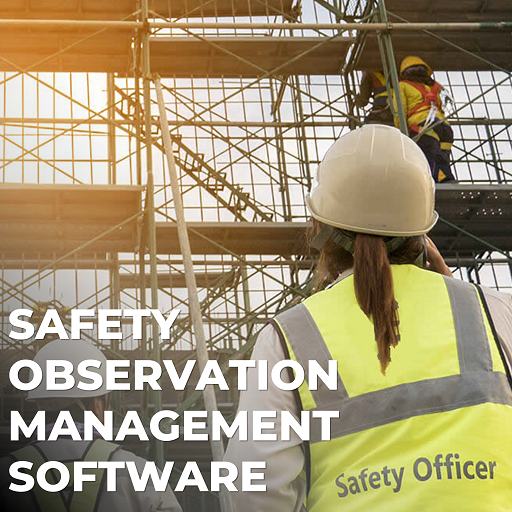
Introduction to Digital Environmental Compliance Inspections Digital Environmental Compliance Inspections are transforming how organizations monitor and manage environmental obligations. Traditional paper-based inspections often lead to delays, lost records, and inconsistent reporting. With digital tools, companies can perform inspections more efficiently while maintaining accurate compliance documentation. Digital systems allow inspectors to record findings instantly, upload photos,…
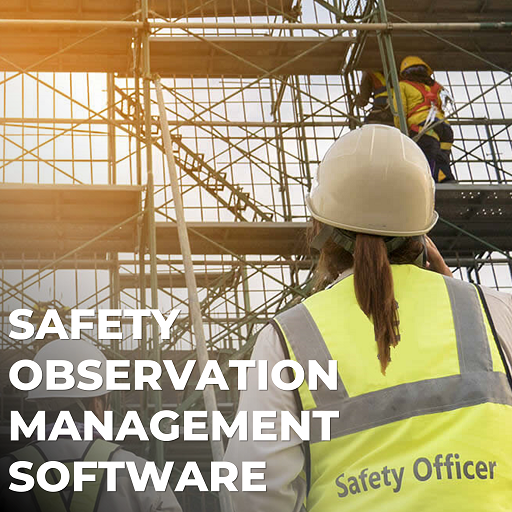
Safety Observation Management Software for Construction Project Safety Introduction Construction sites face constant risks. Height’s change. Equipment moves. Teams rotate. Therefore, safety observation management software plays a vital role in construction project safety. It captures hazards early, simplifies reporting, and strengthens accountability. Moreover, it helps teams act before incidents occur. Consequently, organizations reduce accidents, delays,…
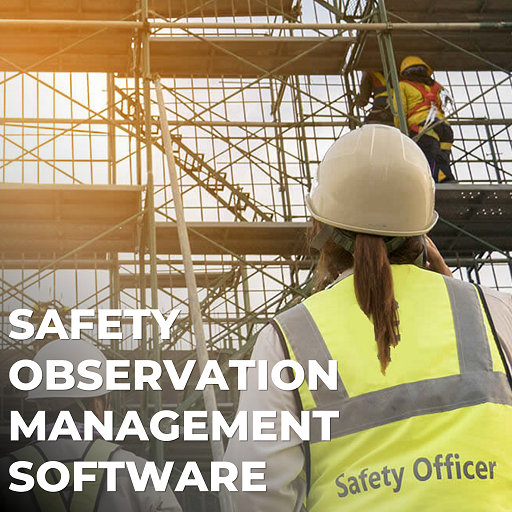
How Safety Observation Management Software Strengthens EHS Programs Introduction In today’s high-risk and fast-moving work environments, proactive safety management is no longer optional. Therefore, proactive EHS observation systems play a critical role in strengthening Environmental, Health, and Safety programs. Moreover, organizations must identify hazards early, engage workers actively, and act on data quickly. Safety Observation…

How AI Is Enhancing Safety Permit Software Introduction Permit to Work (PTW) systems are essential for ensuring safety in high-risk industries like oil & gas, construction, manufacturing, and chemicals. Traditionally, these systems were manual and paper-based, which often led to delays, human errors, and compliance gaps. With digital transformation, PTW software streamlined many processes. Now,…

E-PTW Software in the Pharmaceutical Sector Introduction Pharmaceutical operations demand precision, safety, and strict compliance with regulatory standards. Traditional paper-based Permit to Work (PTW) systems often struggle to meet these demands, leading to inefficiencies and risks. This is where Pharma Permit to work software in the pharmaceutical sector becomes essential. By digitizing the permitting process,…

Why Free EHS Software Might Not Be the Best Choice Introduction When it comes to workplace safety, organizations often look for cost-effective tools to manage compliance, reporting, and risk mitigation. Free solutions may seem attractive at first glance, but free EHS software often comes with hidden drawbacks that can harm long-term safety performance. While saving…