
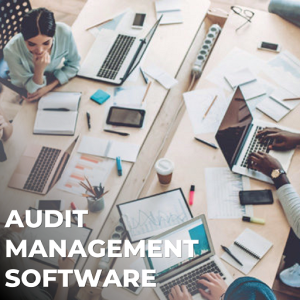
Introduction A Real-Time Audit Monitoring Solution enables organizations to stay ahead of non-conformities and compliance risks in a fast-paced business environment. Many companies struggle with delayed audit reporting, limited visibility, and slow decision-making. These gaps often lead to repeated issues and compliance failures. By adopting a Real-Time Audit Monitoring Solution, teams gain instant access to…

Introduction Deviation Management for Improvement plays a vital role in helping organizations maintain quality standards and achieve continuous growth. In today’s competitive environment, businesses must quickly identify, track, and resolve deviations to prevent recurring issues. A robust deviation management software ensures that problems are not only corrected but also analyzed for long-term improvement. Streamlining Deviation…

Introduction In today’s fast-paced work environment, Complaint Management Team Collaboration plays a crucial role in ensuring issues are resolved quickly and efficiently. Organizations that adopt structured systems can manage complaints with clarity while improving internal communication. Why Complaint Management Matters Handling complaints manually often leads to delays, miscommunication, and lost data. A smart complaint management…

Introduction Digital Lab Testing Software is transforming how laboratories manage quality testing processes. Businesses now depend on this technology to improve accuracy, reduce manual work, and maintain compliance with industry standards. As testing requirements grow, digital tools are becoming essential for efficient lab operations. Improving Testing Accuracy Errors in manual data handling can affect test…
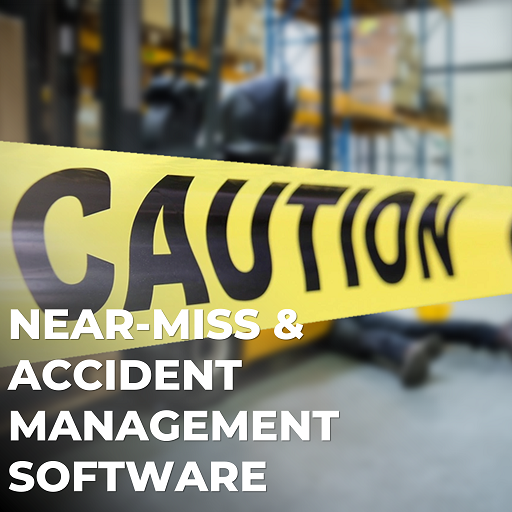
Why Construction Sites Need Digital Investigation Tools Construction Accident Investigation Software is becoming essential for modern construction projects. Construction sites face constant risks such as falls, equipment failures, and unsafe practices. When accidents occur, safety teams must quickly investigate the incident, identify root causes, and implement corrective actions. Manual investigation methods often delay this process…
Introduction Organizations today must follow many legal and regulatory requirements. Managing these obligations manually often leads to missed deadlines and compliance risks. Digital compliance tracking software helps businesses manage regulatory requirements in a structured and efficient way. Companies now adopt this technology to automate compliance monitoring and maintain better control over legal obligations. 1. Centralized…

Act Now: Improve Safety & Compliance Before It’s Too Late Organizations today face increasing pressure to maintain strong safety standards and regulatory compliance. Proactive Safety Compliance Software helps companies identify unsafe behaviors early and correct them before incidents occur. Instead of reacting to accidents, organizations can now prevent them through systematic observation and real-time [...]
Introduction to Cross Functional Audits Modern organizations conduct audits that involve multiple departments such as quality, safety, environment, operations, and compliance. In these situations, Cross Functional Audit Software helps teams coordinate audit activities efficiently. A centralized platform allows organizations to manage communication, share information quickly, and improve the overall effectiveness of audits. Clear Role Allocation…
Why Legal Compliance Software is Crucial for Organizations Introduction Regulatory requirements continue to expand across industries. Therefore, managing compliance manually increases risk and uncertainty. With Organizational Legal Compliance Control, businesses gain clarity, consistency, and confidence in meeting legal obligations. Moreover, digital compliance systems replace scattered tracking methods. Additionally, automated alerts prevent missed deadlines. As a…
Why Compliance Tracking Software is Essential for Modern Businesses Introduction Modern businesses operate in an environment filled with regulations, standards, and expectations. Therefore, tracking compliance manually creates risk. By adopting Smart Compliance Tracking Systems, organizations gain clarity, control, and confidence. Moreover, automation replaces fragmented spreadsheets. Additionally, real-time visibility prevents last-minute surprises. As a result, compliance…