
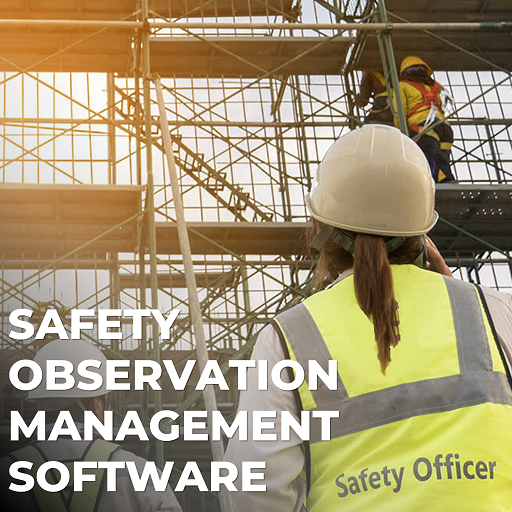
Introduction Data accuracy improvements with EHS observation software play a critical role in enhancing workplace safety and compliance. Organizations rely on accurate data to identify risks, track observations, and implement corrective actions effectively. Why Data Accuracy Matters Accurate data helps organizations make informed decisions. In safety management, even small errors can lead to incorrect analysis…
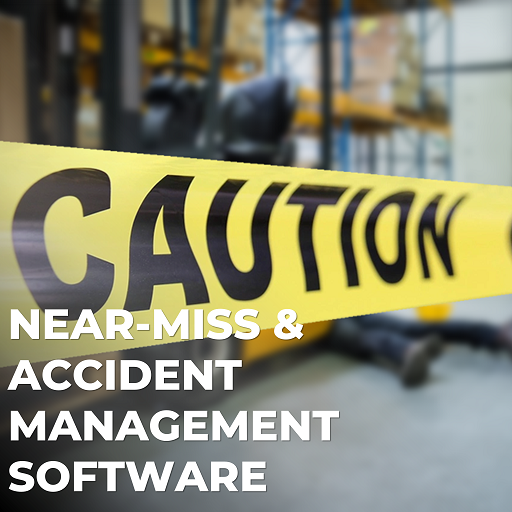
Introduction An environmental incident software tool helps organizations manage spills, emissions, and hazardous events with speed and accuracy. Companies use this tool to record incidents, analyze root causes, and prevent recurrence effectively. What is This Software? An environmental incident software tool is a digital platform designed to capture and manage data related to environmental accidents.…

Streamlining Deviation Processes Effectively Deviation Management Software Deviation Handling helps organizations manage non-conformities in a structured and efficient way. Teams use this software to record deviations, assign actions, and ensure timely closure while maintaining compliance with regulatory standards. Why Deviation Handling Needs Structure Deviation handling is critical in industries like pharmaceuticals, manufacturing, and healthcare. Poor…

Introduction Complaint management metrics play a critical role in evaluating how effectively an organization handles customer concerns. Today, businesses using modern complaint management software can easily track performance indicators, identify recurring issues, and improve service quality. Moreover, by monitoring complaint management metrics, companies gain valuable insights into response efficiency, resolution quality, and overall customer satisfaction.…
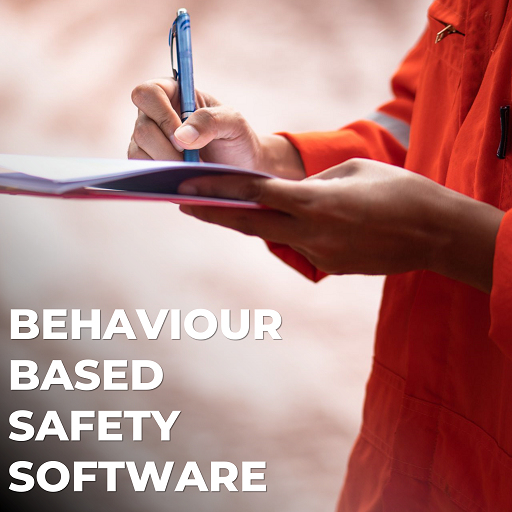
Improving Workplace Safety with BBS Safety Software BBS Safety Software helps organizations strengthen their behavior observation programs and improve workplace safety culture. Companies use BBS Safety Software to record observations, identify unsafe behaviors, and encourage proactive safety actions. Digital tools simplify the entire behavior-based safety process and help safety teams track trends effectively. What is…
Organizations that operate under strict quality standards must manage documentation, audits, and procedures carefully. Built-In Compliance Checklists simplify this process by embedding regulatory requirements directly into digital workflows. As a result, teams no longer rely on scattered documents or memory. Instead, they follow structured checklists that guide every step of compliance activities. Consequently, organizations maintain…
Introduction Customized PTW Software Tailoring Safety is becoming essential for organizations that aim to manage workplace risks effectively. Every industry faces unique hazards, so a one-size-fits-all permit-to-work system often fails to deliver the desired level of safety and compliance. Why Customization Matters Different sectors such as manufacturing, construction, and oil & gas require specific safety…
LIMS in Modern Laboratory Operations for Labs LIMS in Modern Lab Operations is critical for labs striving to improve data accuracy, streamline processes, and increase productivity in an increasingly digital environment. A Laboratory Information Management System (LIMS) moves labs away from manual spreadsheets and paperwork, helping to track samples, manage data, and ensure regulatory compliance…
Why Data Accuracy Matters in Safety Data Accuracy Improvements with EHS Observation Management Software transform the way organizations handle workplace safety information. Many companies rely on manual observation records, spreadsheets, or paper reports. These methods create data gaps, duplicate entries, and reporting delays. With Data Accuracy Improvements with EHS Observation Management Software, organizations capture observations…
Strengthening Compliance Through Investigation Accident Investigation Software Enterprise Compliance helps organizations manage workplace incidents with a structured and efficient approach. Teams use this software to record accidents, analyze root causes, and implement corrective actions that prevent recurrence. Why Investigation Matters in Enterprises Accident investigation plays a critical role in maintaining safety and compliance. Manual processes…