
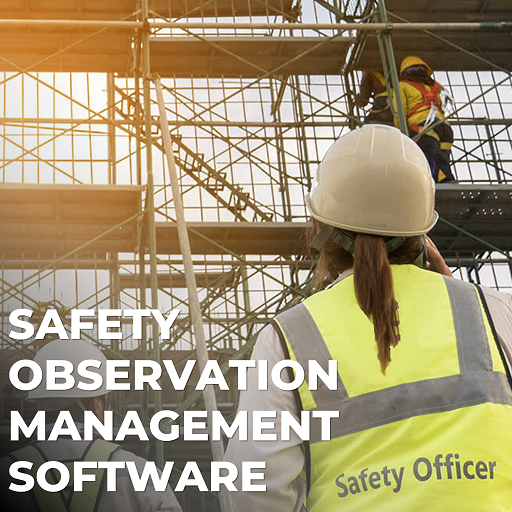
Introduction Data accuracy improvements with EHS observation software play a critical role in enhancing workplace safety and compliance. Organizations rely on accurate data to identify risks, track observations, and implement corrective actions effectively. Why Data Accuracy Matters Accurate data helps organizations make informed decisions. In safety management, even small errors can lead to incorrect analysis…
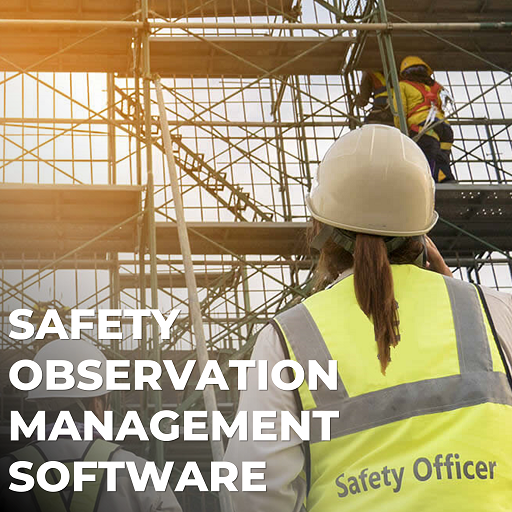
Safety Observation Management Software for Construction Project Safety Introduction Construction sites face constant risks. Height’s change. Equipment moves. Teams rotate. Therefore, safety observation management software plays a vital role in construction project safety. It captures hazards early, simplifies reporting, and strengthens accountability. Moreover, it helps teams act before incidents occur. Consequently, organizations reduce accidents, delays,…
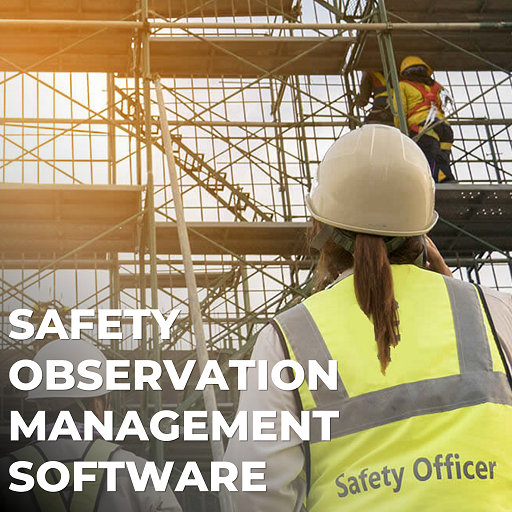
How Safety Observation Management Software Strengthens EHS Programs Introduction In today’s high-risk and fast-moving work environments, proactive safety management is no longer optional. Therefore, proactive EHS observation systems play a critical role in strengthening Environmental, Health, and Safety programs. Moreover, organizations must identify hazards early, engage workers actively, and act on data quickly. Safety Observation…

QHSE Compliance Software: Simplifying Risk & Incident Reporting Managing risks and incidents manually can lead to delays, errors, and compliance challenges. This is where QHSE compliance software reporting becomes essential. By digitizing safety data, automating workflows, and ensuring real-time visibility, QHSE compliance software reporting helps organizations strengthen their risk and incident management processes effortlessly. Why…

QHSE Compliance Software Manual vs Automatic Safety Tracking Many organizations still rely on manual logs, spreadsheets, and paper files to manage safety records—but this approach often leads to delays and errors. Comparing QHSE compliance software manual processes clearly shows why businesses are shifting to automation. With centralized data, automated workflows, and real-time reporting, software dramatically…

BBS Software for Workplace: Top 10 Benefits of Using Software This guide explains why bbs software for workplace safety has become essential for organizations aiming to build a proactive safety culture. Traditional paper-based BBS programs often lack consistency and real-time visibility. Digital tools solve these limitations. 1. Quick and Simple Safety Observations BBS software lets…

Near Miss Reporting System in Your Workplace Today for Free Many major workplace accidents begin with minor, unreported incidents. That’s why implementing a near miss reporting system is one of the most effective ways to prevent injuries, strengthen safety culture, and stay compliant with regulations. What Is a Near Miss Reporting ? A near miss…

How Predictive Analytics for BBS Enhances Workplace Safety Modern safety systems are shifting from reactive strategies to data-driven solutions. One of the most powerful advancements is predictive analytics for BBS (Behaviour-Based Safety), which enables organizations to forecast potential safety risks before incidents occur. This technology leverages historical behavior data to identify trends, empowering safety leaders…

BBS Software for Compliance & Incident Prevention: Best Software In high-risk industries, ensuring workplace safety while staying legally compliant is essential. The best solution lies in using BBS software for compliance, which integrates behaviour-based safety practices with smart, automated tools to prevent incidents and reduce legal risks. Why Traditional Safety Programs Fall Short Conventional safety…

EHS Software Near-miss Software for Incident Reporting 2025 In today’s dynamic workplace environments, organizations must consistently stay ahead of potential hazards. Therefore, investing in the right EHS software near-miss software is key to building a proactive safety culture. Near misses often go unnoticed or unreported; however, they offer critical insight into underlying risks. In fact,…