
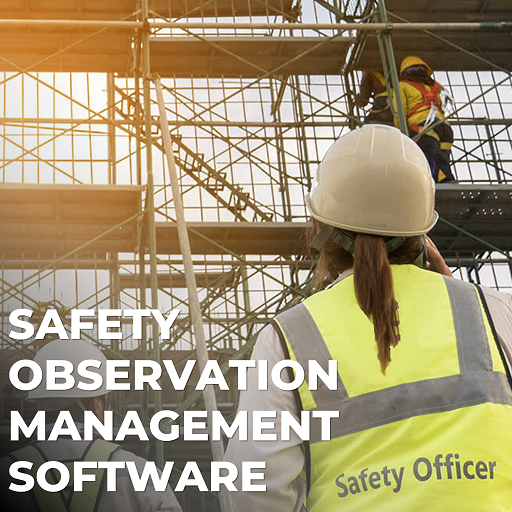
Introduction Data accuracy improvements with EHS observation software play a critical role in enhancing workplace safety and compliance. Organizations rely on accurate data to identify risks, track observations, and implement corrective actions effectively. Why Data Accuracy Matters Accurate data helps organizations make informed decisions. In safety management, even small errors can lead to incorrect analysis…
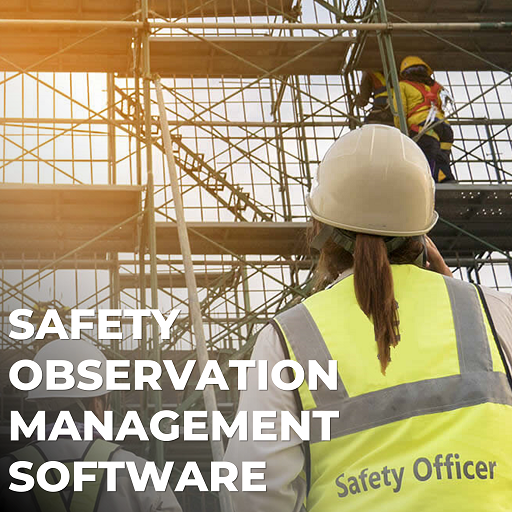
Why Data Accuracy Matters in Safety Data Accuracy Improvements with EHS Observation Management Software transform the way organizations handle workplace safety information. Many companies rely on manual observation records, spreadsheets, or paper reports. These methods create data gaps, duplicate entries, and reporting delays. With Data Accuracy Improvements with EHS Observation Management Software, organizations capture observations…
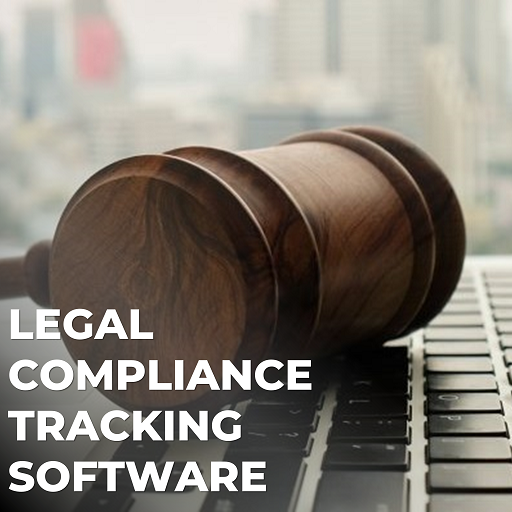
Bringing Structure to Regulatory Compliance Legal Tracking Software Organized Regulatory Records helps organizations manage complex legal requirements with clarity and control. Teams use this software to track laws, update compliance status, and maintain well-structured records across departments. Why Regulatory Record Management Matters Organizations must comply with multiple legal and regulatory requirements. Managing records manually often…
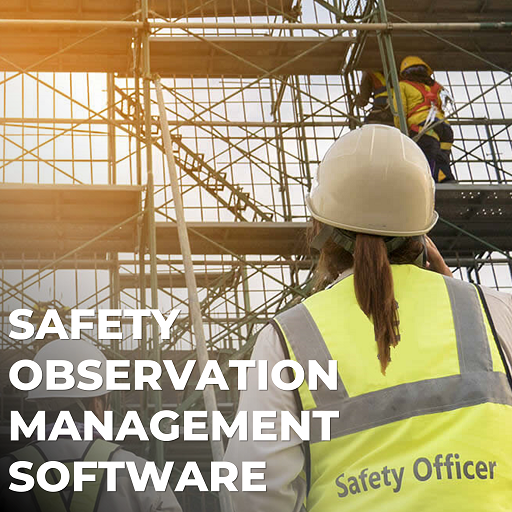
Managing Safety Across Multiple Locations Managing safety across different sites can be challenging without the right tools. Multi Site EHS Observation Software helps organizations streamline safety observation reporting, track hazards, and maintain compliance across all locations effectively. Centralized Observation Management One of the biggest advantages of using digital solutions is centralized data management. With Multi…
Introduction In today’s regulated business environment, legal compliance risk management software has become essential for organizations aiming to avoid penalties and fines. Companies face increasing pressure from regulatory bodies, and manual tracking of compliance obligations often leads to costly errors. Implementing a digital solution ensures better control and visibility over legal requirements. Why Compliance Failures…
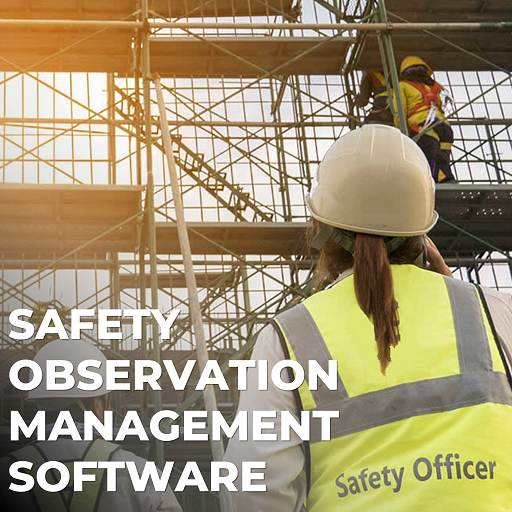
Introduction Building a strong safety culture is essential for modern organizations, and Safety First Workplace Software plays a critical role in achieving this goal. Companies today face increasing compliance demands and workplace risks. By adopting digital tools, businesses can ensure safer environments while improving efficiency and accountability. Why Safety Culture Matters A safety-first culture ensures…
Introduction Organizations today must follow many legal and regulatory requirements. Managing these obligations manually often leads to missed deadlines and compliance risks. Digital compliance tracking software helps businesses manage regulatory requirements in a structured and efficient way. Companies now adopt this technology to automate compliance monitoring and maintain better control over legal obligations. 1. Centralized…
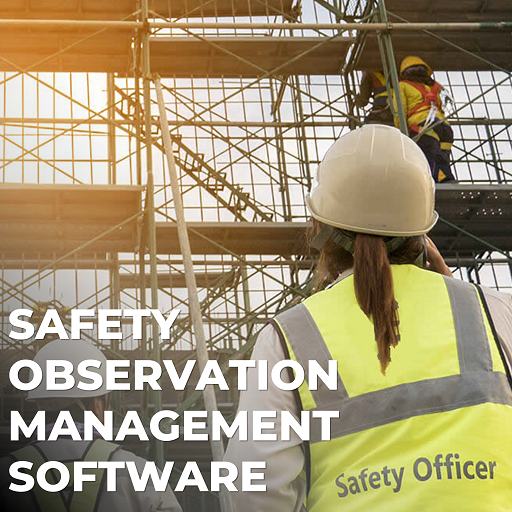
Introduction to Digital Environmental Compliance Inspections Digital Environmental Compliance Inspections are transforming how organizations monitor and manage environmental obligations. Traditional paper-based inspections often lead to delays, lost records, and inconsistent reporting. With digital tools, companies can perform inspections more efficiently while maintaining accurate compliance documentation. Digital systems allow inspectors to record findings instantly, upload photos,…
Quality Control Software: Driving Operational Excellence Across Industries Introduction Operational excellence depends on consistency, accuracy, and control. Therefore, organizations now adopt quality control software excellence to maintain high standards. This software reduces defects. It also improves visibility. Moreover, it standardizes processes. As a result, teams deliver better outcomes. Additionally, leaders gain confidence. Ultimately, industries achieve…

QHSE Compliance Software: Simplifying Risk & Incident Reporting Managing risks and incidents manually can lead to delays, errors, and compliance challenges. This is where QHSE compliance software reporting becomes essential. By digitizing safety data, automating workflows, and ensuring real-time visibility, QHSE compliance software reporting helps organizations strengthen their risk and incident management processes effortlessly. Why…