
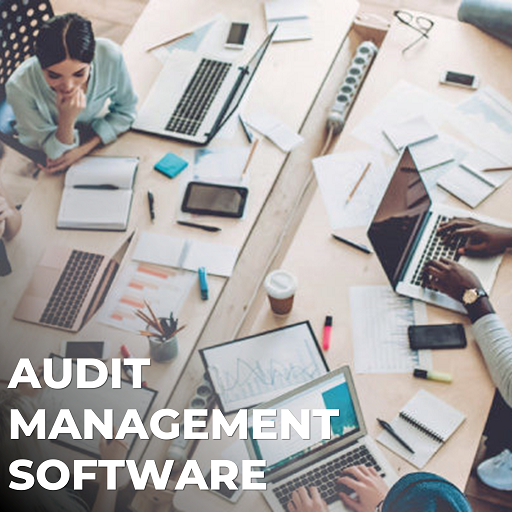
Audit Management Software vs Spreadsheets: Which Is Better? Introduction Organizations conduct internal and external audits to maintain quality, compliance, and operational control. However, the tools used to manage audits can significantly impact efficiency. Audit Management Software vs Spreadsheets is a common comparison for companies evaluating digital transformation in their audit processes. Traditionally, many organizations relied…
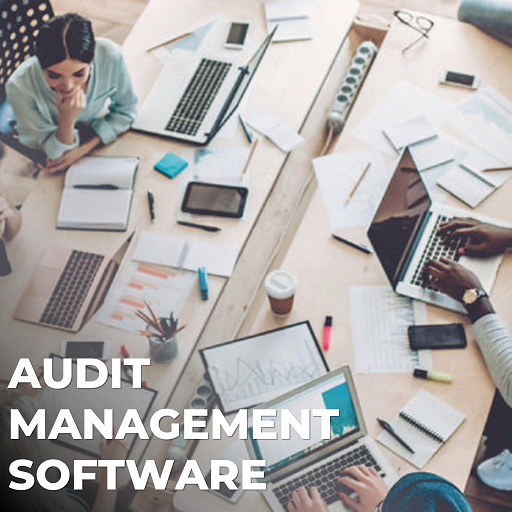
How Audit & CAPA Software Helps Maintain Continuous Improvement Introduction Continuous improvement depends on strong audits and effective corrective actions. However, manual systems slow progress and hide gaps. That is why many organizations adopt Audit CAPA Improvement Software to connect findings with actions. Moreover, digital tools centralize audits and CAPA records. Additionally, automated workflows speed…
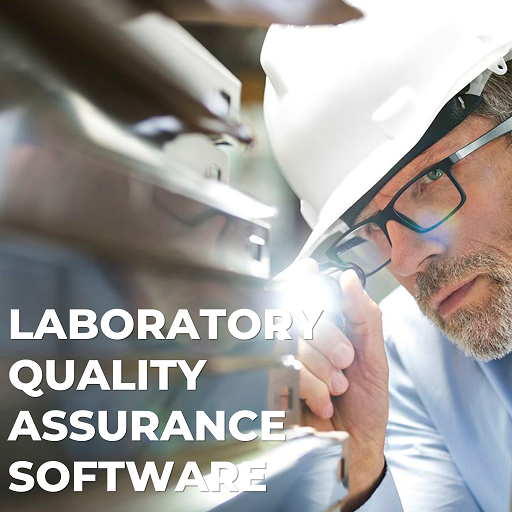
The Future of Quality Assurance Software in 2025 and Beyond Introduction Quality assurance will evolve rapidly, driven by smarter systems, more data, and deeper integration, so future quality assurance software insights will matter more than ever for organizations that want to stay competitive. As technology advances, QA tools will do more than report defects; they…
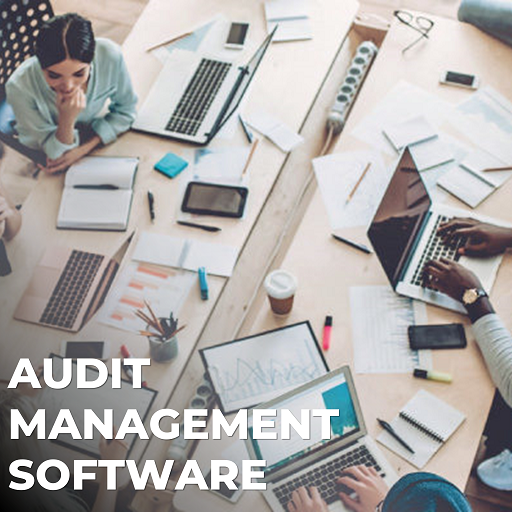
Why Cloud-Based Audit & CAPA Management Software Is a Game Changer Introduction Organizations face growing pressure to prove compliance, close gaps quickly, and prevent repeat issues. Traditional tools struggle to keep up. That is why cloud based audit CAPA software is transforming how companies manage audits and corrective actions. Cloud platforms deliver real-time visibility, faster…
Deviation Management Software for Faster Issue Resolution Introduction Every organization wants fast, reliable problem solving, and deviation management software for faster issue resolution makes that goal achievable. First, it captures deviations instantly. Then, it assigns investigations clearly, so teams act without delay. Moreover, it enforces corrective actions automatically. Therefore, issues get resolved faster than before.…
Quality Control Software: Driving Operational Excellence Across Industries Introduction Operational excellence depends on consistency, accuracy, and control. Therefore, organizations now adopt quality control software excellence to maintain high standards. This software reduces defects. It also improves visibility. Moreover, it standardizes processes. As a result, teams deliver better outcomes. Additionally, leaders gain confidence. Ultimately, industries achieve…

Choosing the Right Quality Assurance Software for Your Organization Introduction Every modern business aims to deliver consistent quality, yet manual quality checks often slow down production and increase errors. That’s where quality assurance software changes the game. It simplifies monitoring, automates reporting, and ensures products meet standards every time. Choosing the right system can feel…

Best Practices for Implementing Quality Control Software Introduction In today’s competitive industries, precision and efficiency are non-negotiable. Many organizations are turning to quality control software to manage testing, inspection, and documentation seamlessly. However, successful implementation requires planning, collaboration, and strategy. By following best practices, companies can ensure smooth adoption, faster ROI, and long-term operational excellence.…

Simplifying Lab Audits with Quality Laboratory Software Introduction Laboratory audits often feel overwhelming due to strict compliance requirements, extensive documentation, and the need for error-free records. Manual methods make audits time-consuming and stressful. Quality Laboratory Software solves these challenges by automating data management, improving traceability, and ensuring compliance with international standards. It simplifies lab audits…

Reducing Errors and Waste with Automated Quality Control Software Introduction Reducing errors and waste with Automated Quality Control Software is no longer just an option—it’s a necessity for modern industries. Traditional quality control often relies on manual inspections, paperwork, and delayed reporting. These outdated methods increase mistakes, slow down production, and generate unnecessary waste. Automated…
- 1
- 2