

Accident Investigation Software for Logistics Managing workplace incidents efficiently is critical in fast-paced logistics and warehousing environments. Accident Investigation Software Logistics solutions help organizations record incidents, identify root causes, and implement corrective actions quickly. As supply chains become more complex, companies increasingly rely on digital tools to improve safety performance and regulatory compliance. Therefore, organizations…
BBS Safety Digital Transformation Organizations increasingly adopt digital technologies to improve workplace safety performance. Therefore, BBS Safety Digital Transformation enables companies to modernize behavioral safety programs, improve reporting efficiency, and strengthen employee engagement. As a result, organizations can identify unsafe behaviors faster and implement corrective actions more effectively. Furthermore, digital solutions provide real-time visibility into…
Power Plant Incident Management for Safer Operations Introduction Power Plant Incident Management helps organizations improve workplace safety, reduce operational risks, and strengthen reporting systems. Since power plants operate in high-risk environments, companies must investigate every incident quickly and accurately. Therefore, many organizations now use digital safety tools to manage incidents effectively. Moreover, these systems improve…
BBS Safety Software for End-to-End Behavior Management Modern organizations focus heavily on proactive safety management. Therefore, implementing BBS Behavior Management Software helps companies improve workplace safety, track unsafe acts, and strengthen employee engagement. Behavior-Based Safety (BBS) software enables businesses to monitor safety observations, analyze trends, and take corrective action efficiently. As a result, organizations create…
Digital Safety Reporting Software for High-Risk Work Environments Digital Safety Reporting Software Improves Workplace Safety Digital Safety Reporting Software helps organizations identify hazards and report safety concerns quickly. Industries such as construction, oil and gas, mining, and manufacturing face workplace risks every day. Therefore, companies need simple and effective tools to manage safety observations and…
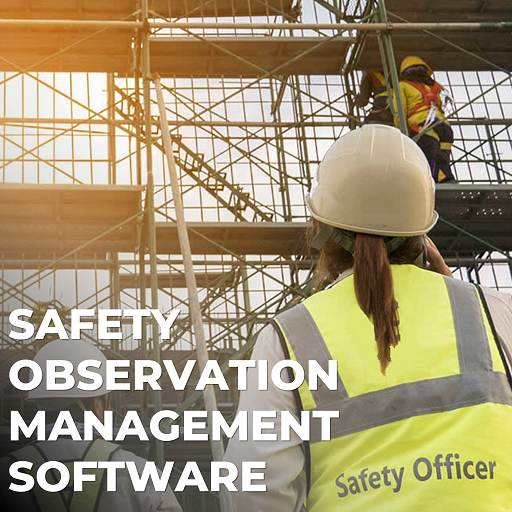
Introduction Building a strong safety culture is essential for modern organizations, and Safety First Workplace Software plays a critical role in achieving this goal. Companies today face increasing compliance demands and workplace risks. By adopting digital tools, businesses can ensure safer environments while improving efficiency and accountability. Why Safety Culture Matters A safety-first culture ensures…

Behavior Based Safety Software Transforms EHS Performance Improving safety culture requires more than inspections and checklists—it requires changing behaviors. Behavior Based Safety Software is becoming the missing link in EHS management because it focuses on the human element behind most workplace incidents. Organizations using Behavior Based Safety Software experience stronger engagement, better reporting, and fewer…

Safety Observation Software: How It Improves Near-Miss Reporting Introduction Near-miss events act as early warnings of future incidents. However, many organizations struggle to capture, track, and act on them consistently. This is where safety observation software becomes essential. It simplifies near-miss reporting, encourages employee participation, and ensures corrective actions happen quickly. Because the software centralizes…

Why Safety Permit Software Matters in Construction Introduction Construction sites change every day, and so do their risks. Heavy machinery, multiple contractors, high elevations, and fast-paced work can lead to serious incidents if not controlled. This is where construction permit safety software becomes essential. It streamlines the Permit to Work (PTW) process, ensures proper authorization,…

Safety Observation Software: Enhancing Proactive Safety Measures Introduction In today’s fast-paced industrial environments, safety cannot rely on reactive measures alone. Companies need tools that help prevent incidents before they occur—and that’s exactly what Safety Observation Software does. This digital platform empowers employees to record, analyze, and act on potential hazards, unsafe behaviors, and near-miss events…