

Top BBS Software Tools and Features: 2025 Guide Behaviour-Based Safety (BBS) programs are vital for creating proactive safety cultures. With digital platforms evolving rapidly, organizations now rely on the top BBS software tools to streamline safety reporting, encourage participation, and analyze trends. These tools are designed to reduce risks and improve compliance while empowering employees…

Digital Near Miss Reporting: A New Era of Safety Transformation Workplace safety is entering a new era with digital near miss reporting. Traditional paper-based methods often resulted in underreporting, delays, and missed opportunities for prevention. Digital solutions are transforming the way organizations capture, analyze, and respond to near misses, leading to safer and more resilient…

Best BBS Software Compared: 2025 Guide As organizations continue prioritizing workplace safety, choosing the best behaviour safety software in 2025 has become critical. These tools streamline safety reporting, track unsafe behaviors, and promote proactive safety culture. With multiple options available, comparing features helps businesses find the right fit for their needs. Why BBS Software Matters…
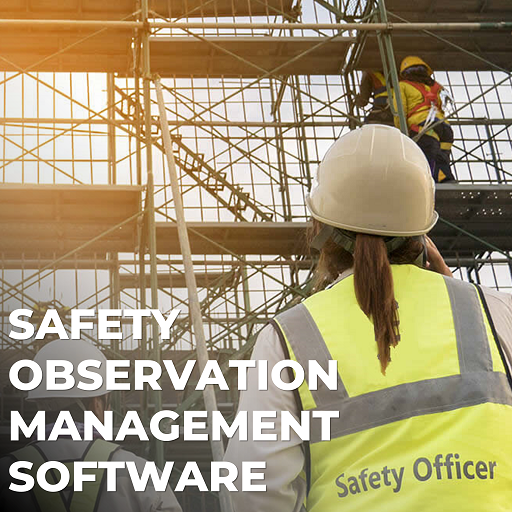
Pros & Cons of Using AI-Powered EHS Solutions Introduction Environmental, Health, and Safety (EHS) management is evolving rapidly, and artificial intelligence (AI) is at the center of this transformation. Many organizations are now exploring AI-powered EHS solutions to boost efficiency, improve compliance, and reduce risks. These systems promise predictive analytics, real-time insights, and automation. However,…

Innovations in Safety Management and Accident Prevention 2025 The year 2025 is redefining workplace protection with groundbreaking innovations in safety management. From AI-driven monitoring to smart wearables, organizations are embracing advanced tools that not only prevent accidents but also create a proactive safety culture. AI-Powered Risk Prediction Artificial intelligence has become a game changer in…
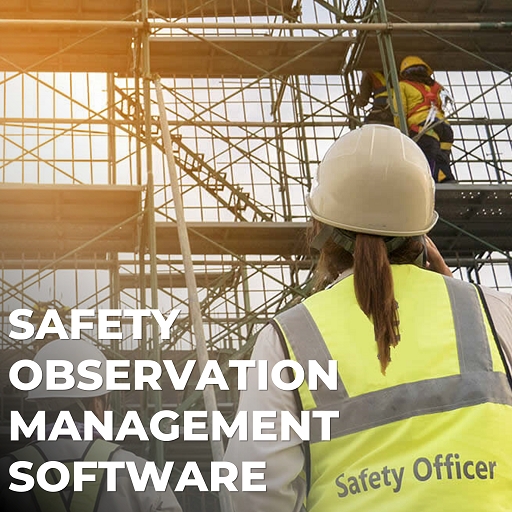
What the Future Holds for Workplace Safety Technology Introduction The landscape of workplace safety technology is undergoing a dramatic transformation. Driven by innovation and the urgent need to reduce risks, companies are moving beyond manual checklists and reactive protocols. Instead, they are embracing connected systems, artificial intelligence, and data-driven decision-making to create smarter, safer work…

Behaviour-Based Safety Technology: The Latest Innovations Workplace safety programs are evolving from reactive to proactive. At the heart of this shift is behaviour-based safety technology, which focuses on observing, analyzing, and improving employee behaviors to prevent accidents before they happen. Today’s innovations are transforming how companies approach safety. AI-Powered Behaviour Analysis Artificial Intelligence is now…

AI Behaviour Based Safety Revolutionizing in 2025 Workplace safety continues to evolve, and in 2024, the integration of AI behaviour based safety systems is a game-changer. By combining artificial intelligence with traditional Behaviour-Based Safety (BBS) programs, companies are improving hazard detection, reducing incidents, and strengthening safety cultures. What Is AI-Driven Behaviour-Based Safety?Traditional BBS programs rely…

AI-Driven Safety Tools for Workplace Safety: Empower Employees In a world where safety incidents can cost lives and profits, giving employees the right tools makes all the difference. AI-driven safety tools integrated with behaviour-based safety (BBS) strategies offer real-time insights, predictive analytics, and proactive safety coaching. What Are AI-Driven Safety Tools? These tools use artificial…

AI Behaviour Safety Tools: Build a Proactive Safety Culture Creating a strong safety culture starts with empowering your team. AI behaviour safety tools provide real-time insights, streamline reporting, and encourage positive actions—helping organizations prevent incidents and improve accountability. Why AI Matters in Behaviour-Based Safety Traditional safety systems often rely on manual observations and delayed reporting,…