

Accident Management System Features: Improve Investigations Choosing the right software starts with understanding the most important Accident Management System Features. A strong system helps organizations streamline reporting, investigations, and corrective actions. When you evaluate the right Accident Management System Features, you improve response time, accuracy, and overall safety performance. Real-Time Incident Reporting Modern systems allow…

Legal Compliance Software Solutions for Organization in 2025 As regulations become more complex, organizations need reliable systems to stay compliant. This is where Legal Compliance Software Solutions play a crucial role. Law firms and enterprises use Legal Compliance Software Solutions to reduce risks, automate workflows, and maintain accurate, audit-ready records. Why Legal Compliance Matters Regulatory…

Future Workplace Safety Systems: Modern Risks to Improve Workplace safety is evolving faster than ever. New technologies, regulations, and expectations are reshaping how companies protect their employees. Understanding Future Workplace Safety Systems is essential for staying competitive, compliant, and risk-free. Organizations adopting Future Workplace Safety Systems gain better visibility, automation, and preventive capabilities. Why Workplace…

Supplier Deviation Management Dashboard 2025 Handling supplier issues can be difficult without a structured system. A Supplier Deviation Management Dashboard centralizes all deviation reports, approvals, and corrective actions into one platform. With a Supplier Deviation Management Dashboard, organizations gain better visibility, faster resolution times, and higher supplier performance. Why Managing Supplier Deviations Matters Supplier deviations…

Internal Audit Process Guide for Industries and Organizations A structured approach is essential for consistent, accurate, and value-driven audits. This blog provides a clear Internal Audit Process Guide to help organizations strengthen compliance, improve processes, and ensure continual improvement. Using an effective Internal Audit Process Guide helps teams stay organized and aligned with ISO standards.…
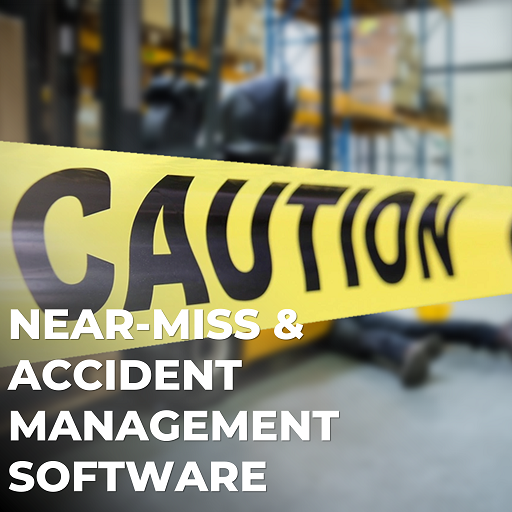
What Is Accident Management Software? Accident management software has become a critical tool for modern businesses aiming to reduce workplace risks and improve safety standards. In this blog, we will explore how the Accident Management Software Guide helps organizations streamline reporting, analysis, and corrective actions. The Accident Management Software Guide also ensures faster response and…
Why QHSE Compliance Software Features Matter Modern organizations face increasing pressure to maintain high standards in quality, health, safety, and environment. QHSE Compliance Software Features play a key role in centralizing processes, reducing human errors, and ensuring seamless regulatory compliance. The right features can transform manual, scattered systems into a unified digital compliance hub. Document…
Why Behavior Based Safety Implementation Matters Creating a strong safety culture requires more than rules—it requires consistent, safe behaviors. Behavior Based Safety Implementation helps companies shift from reactive incident management to proactive prevention. By focusing on employee actions, organizations can reduce risks, empower workers, and build a long-term culture of accountability. Step 1: Build Awareness…

Why Deviation Control API Integrations Matter In modern quality and compliance systems, Deviation Control API Integrations enable seamless data flow between deviation tracking platforms and other enterprise tools. By connecting deviation control systems with ERP, LMS, and incident management tools, organizations reduce manual entry, improve traceability, and accelerate corrective actions. Simplifying Data Sync and Workflows…
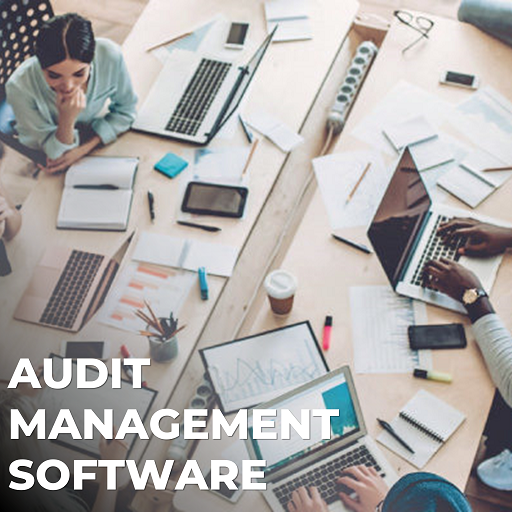
Why Audit Errors and Prevention Matter In any organization, accuracy, consistency, and transparency are essential for successful audits. Audit Errors and Prevention is a crucial topic because even minor mistakes can lead to compliance issues, financial losses, or incorrect conclusions. Understanding how these errors occur—and how to eliminate them—helps teams conduct smoother, more reliable audits.…