
Improve Compliance with Deviation CAPA Management Software Deviation CAPA Management Software helps organizations connect root causes, corrective actions, and deviations within a centralized system. As a result, companies can improve compliance, reduce recurring issues, and strengthen operational efficiency. Moreover, industries such as pharmaceuticals, manufacturing, healthcare, and food processing rely on digital CAPA systems to maintain…

Complaint Management Improves Supplier Performance Complaint Feedback Handling Software helps organizations manage supplier complaints, improve communication, and strengthen vendor relationships efficiently. Modern industries depend heavily on suppliers; therefore, handling complaints quickly becomes essential for operational continuity. Moreover, businesses that use digital complaint systems can track issues, monitor corrective actions, and reduce recurring supplier problems effectively.…
BBS Safety Software for End-to-End Behavior Management Modern organizations focus heavily on proactive safety management. Therefore, implementing BBS Behavior Management Software helps companies improve workplace safety, track unsafe acts, and strengthen employee engagement. Behavior-Based Safety (BBS) software enables businesses to monitor safety observations, analyze trends, and take corrective action efficiently. As a result, organizations create…
Automated Notifications for Audit Scheduling & Follow-Ups Improving Compliance Through Automation Automated Audit Follow-Up Alerts help organizations streamline audit scheduling, corrective action tracking, and compliance monitoring efficiently. Nowadays, businesses face increasing pressure to maintain regulatory compliance while managing multiple audits across departments. Therefore, automated notification systems play a crucial role in improving accountability and operational…
Why Businesses Need Quality Assurance Software Quality Assurance Software Benefits help organizations improve product quality, reduce operational errors, and maintain compliance efficiently. Today, businesses face growing customer expectations and strict industry regulations. Therefore, companies implement quality assurance software to streamline processes and strengthen performance management. Organizations often struggle with manual inspections and disconnected records. However,…
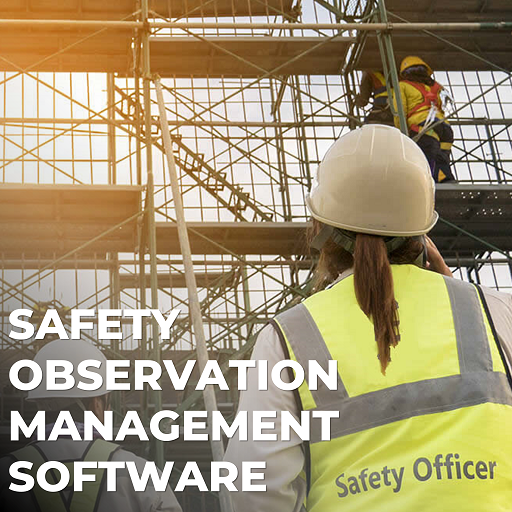
Digital Safety Reporting Software for High-Risk Work Environments Digital Safety Reporting Software Improves Workplace Safety Digital Safety Reporting Software helps organizations identify hazards and report safety concerns quickly. Industries such as construction, oil and gas, mining, and manufacturing face workplace risks every day. Therefore, companies need simple and effective tools to manage safety observations and…

Electronic Work Permit System An Electronic Work Permit System helps industries manage hazardous activities, improve workplace safety, and strengthen regulatory compliance. Many organizations have replaced paper-based permits with digital solutions to control high-risk tasks such as hot work, confined space entry, electrical maintenance, and work at height. As a result, companies reduce human error, improve…
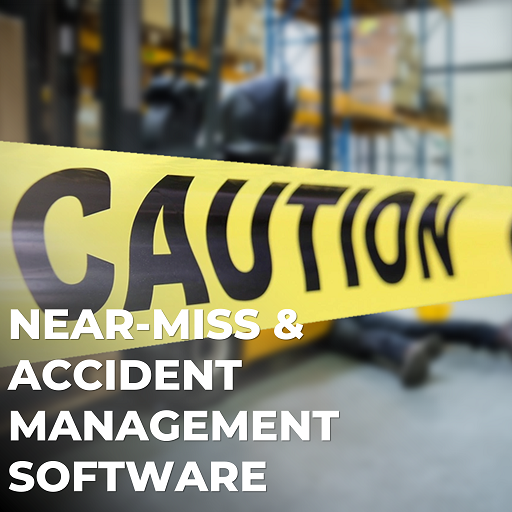
Why Incident Documentation Matters Accident Investigation Documentation Software helps organizations record incidents accurately and improve workplace safety management. Every industry faces risks related to workplace accidents, near misses, and unsafe conditions. Therefore, companies need reliable software solutions to document incidents quickly and investigate root causes effectively. Modern workplaces require fast and accurate reporting systems. Moreover,…
Compliance Management Software Solutions Why Compliance Management Matters Compliance Management Software Solutions help organizations manage ISO requirements and industry regulations efficiently. Companies use digital systems to monitor compliance activities, maintain records, and reduce operational risks. Moreover, businesses improve productivity when teams manage audits, inspections, and corrective actions through one centralized platform. Organizations must follow ISO…
Deviation & CAPA Management Software for Sustainable Improvements Improve Compliance and Operational Efficiency Deviation & CAPA Management Software helps organizations identify nonconformities, investigate root causes, and implement corrective actions effectively. Companies across manufacturing, healthcare, pharmaceuticals, and construction industries use digital CAPA systems to improve compliance and operational performance. Traditional deviation handling methods often create delays,…