

Digital Safety Reporting Software for High-Risk Work Environments Digital Safety Reporting Software Improves Workplace Safety Digital Safety Reporting Software helps organizations identify hazards and report safety concerns quickly. Industries such as construction, oil and gas, mining, and manufacturing face workplace risks every day. Therefore, companies need simple and effective tools to manage safety observations and…
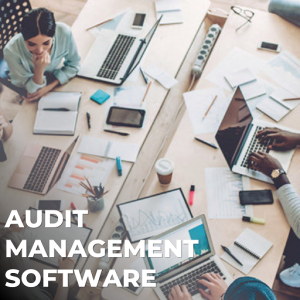
Introduction Many organizations now aim to Automate Your Audit Cycle with Intelligent Workflows to improve efficiency and maintain strong compliance systems. Manual audits consume time and often create inconsistencies in tracking and reporting. Limitations of Manual Audit Processes Traditional audits rely on spreadsheets, emails, and paperwork. As a result, teams struggle to track progress and…

Simplifying Compliance with Smart Checklists Smart ISO GMP GxP Compliance Checklists help organizations manage complex regulatory requirements with clarity and speed. Companies use these checklists to standardize tasks, reduce errors, and improve audit readiness across departments. Why Checklists Drive Better Compliance Regulatory frameworks like ISO, GMP, and GxP demand structured processes. Teams often struggle when…

Introduction Ensuring workplace safety requires more than just policies—it demands consistent monitoring. Tracking Unsafe Workplace Behaviours is essential for identifying risks before they escalate into serious incidents. Organizations that actively monitor behaviours create safer and more accountable environments. Why Behaviour Tracking is Critical Unsafe behaviours often lead to accidents, injuries, and operational disruptions. Without proper…

Protecting High-Risk Operations with Safety Permit Software Introduction High-risk operations demand strict control, clarity, and authorization. Therefore, organizations must manage work permissions carefully. By implementing High Risk Permit Control, teams reduce uncertainty and prevent unsafe work conditions. Moreover, digital permits replace fragmented paperwork. Additionally, real-time approvals improve oversight. As a result, hazardous tasks begin only…

Mobile-Ready Permit to Work Software for On-Site Technicians Introduction On-site work demands speed, accuracy, and clear authorization. Therefore, mobile access becomes essential. By using Mobile Permit to Work Software Benefits, technicians create, review, and close permits directly from the field. Moreover, mobile-ready tools replace paperwork. Additionally, real-time access improves control. As a result, work starts…

QHSE Compliance Software Top Industries Benefiting Organizations across industries face increasing pressure to meet Quality, Health, Safety, and Environmental (QHSE) requirements. Manual systems struggle to keep pace with regulatory demands and operational risks. QHSE compliance software helps businesses streamline compliance, reduce incidents, and maintain consistent standards across locations. 1. Manufacturing Industry Manufacturing environments involve complex…
Why QHSE Compliance Software Features Matter Modern organizations face increasing pressure to maintain high standards in quality, health, safety, and environment. QHSE Compliance Software Features play a key role in centralizing processes, reducing human errors, and ensuring seamless regulatory compliance. The right features can transform manual, scattered systems into a unified digital compliance hub. Document…
Why Compliance Management Software Selection Matters In today’s fast-changing regulatory environment, Compliance Management Software Selection has become a critical step for organizations aiming to stay compliant and efficient. The right software not only simplifies audits but also ensures that every regulation, document, and corrective action is managed effectively in one system. Understand Your Compliance Needs…

Why E-PTW Software is Revolutionising Work Permit Systems Introduction In today’s fast-paced industrial environment, E-PTW software (Electronic Permit to Work software) is transforming how organizations manage workplace safety. Traditional paper-based systems are slow, prone to errors, and difficult to track. However, with digital transformation sweeping across industries, E-PTW software is emerging as a smarter, faster,…