

Benefits of BBS Software: What Are the Benefits of Using? Improving workplace safety requires more than just rules—it needs active employee participation. The benefits of BBS software (Behavior-Based Safety software) go beyond compliance, helping organizations reduce risks, engage employees, and create a culture where safety is everyone’s responsibility. Key Benefits of BBS Software 1. Enhanced…

Safety Observation Management Software: A Complete Implementation Guide Introduction Implementing workplace safety systems can feel overwhelming, especially when teams rely on outdated manual processes. To address these challenges, organizations are adopting Safety Observation Management Software. This digital solution centralizes hazard reporting, improves compliance, and strengthens safety culture. With the right implementation guide, businesses can streamline…

Safety Observation Management Software vs. Manual Reporting Introduction Workplace safety depends on how quickly organizations identify, track, and resolve hazards. Traditionally, many companies relied on manual reporting through paper forms, spreadsheets, or verbal communication. While this method works, it often creates delays, errors, and incomplete data. Safety Observation Management Software provides a modern, digital alternative…

Safety Observation Management Software for Risk Reduction Introduction In today’s dynamic workplaces, risks can emerge at any moment. Safety Observation Management Software helps organizations identify hazards, track unsafe behaviors, and implement corrective actions before they escalate. Unlike manual reporting, digital systems enable real-time visibility, structured workflows, and faster resolutions. This blog explores how such software…

Link CAPA and Deviation for Smarter Quality Control Introduction Quality management requires a structured approach to handle issues effectively. Many organizations treat corrective and preventive actions (CAPA) and deviations as separate processes, which often creates silos and delays. By choosing to link CAPA and deviation for smarter quality control, companies can streamline workflows, improve root-cause…

Deviation Reporting Risk Management: How to Minimize Risk Every organization faces challenges in maintaining compliance and preventing errors. Deviation reporting risk management provides a structured way to document, investigate, and resolve issues quickly. By using digital tools, companies can minimize risks and improve operational reliability. Why Deviation Reporting Matters Unaddressed deviations—such as missed deadlines, incorrect…

How EPTW Software Prevents Unauthorized Work Introduction EPTW Software is revolutionizing how organizations manage work permits and enforce safety controls. Unauthorized work often leads to accidents, compliance breaches, and costly downtime. Traditional paper-based systems struggle to track approvals, leaving gaps in accountability. In contrast, EPTW Software ensures only authorized personnel perform tasks. By digitizing the…

Best Near Miss Software: Prevent Accidents Choose Best Software Many workplace accidents are preceded by warning signs—commonly known as near misses. Acting on these signs can save lives. The best near miss software helps organizations capture these incidents, analyze root causes, and take corrective actions before an actual accident occurs. Key Features to Look For…

Automated Audit Management Software Saves Time 2025 Audits are critical to compliance, but they can also be time-consuming and stressful. That’s why automated audit management software is gaining popularity across industries. It replaces spreadsheets and manual checklists with smart tools that streamline every step of the audit process—saving hours and reducing the risk of non-compliance.…
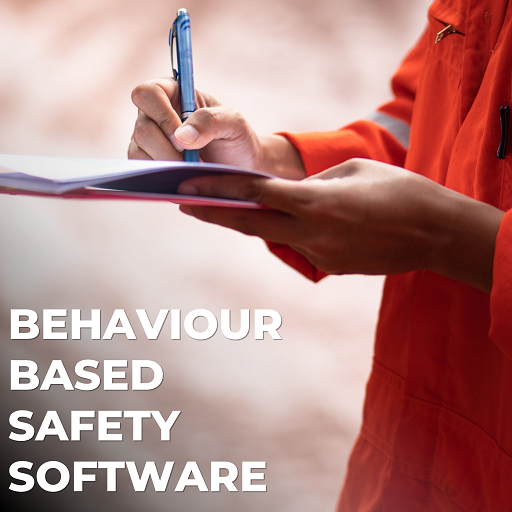
How BBS Software Helps Energy Sector Improve Safety Culture Introduction In high-risk industries like oil, gas, and power generation, safety isn’t optional—it’s vital. BBS Software Energy Safety ensures teams move beyond compliance to foster a proactive, behavior-driven safety culture. By capturing, analyzing, and acting on behavior data, energy companies reduce incidents, engage employees, and build…
- 1
- 2