
Features Every Business Needs in Complaint Management Software Introduction Customer feedback drives improvement, yet unresolved issues harm reputation. That’s why complaint management software business features matters now more than ever. This software centralizes complaints. It also standardizes response workflows. Moreover, it tracks outcomes. As a result, businesses respond faster. Additionally, teams gain clarity and accountability.…
Customer Complaint Management Software for Automated Escalation Handling Introduction Handling customer complaints quickly and effectively boosts satisfaction and retention. However, manual escalation often leads to delays and missed opportunities. With Automated Complaint Escalation Engine, organizations ensure that complex issues escalate smoothly and without gaps. Moreover, digital workflows replace reactive follow-ups. Additionally, notifications keep teams aligned.…

Why Deviation Management Software Is Critical for Compliance Introduction Regulatory compliance demands consistency, documentation, and timely action. However, unmanaged deviations quickly create compliance gaps. With Compliance Driven Deviation Control, organizations handle deviations systematically and stay audit-ready at all times. Moreover, digital systems replace informal tracking. Additionally, automated workflows enforce discipline. As a result, compliance risks…

Deviation Management Software for Controlled Quality Systems Introduction Controlled quality systems depend on discipline, traceability, and timely action. However, unmanaged deviations weaken control quickly. By implementing Controlled Quality Deviation Control, organizations handle process variations with structure and confidence. Moreover, digital systems replace informal deviation handling. Additionally, real-time tracking improves governance. As a result, quality systems…
Cloud-Based Customer Complaint Management Software for Scalability Introduction Growing businesses face rising customer interactions every day. Therefore, scalability becomes essential. By adopting Scalable Complaint Management Platform, organizations manage increasing complaint volumes without losing control. Moreover, cloud technology removes infrastructure limits. Additionally, centralized access improves responsiveness across locations. As a result, customer support grows smoothly alongside…

How Deviation Management Software Improves Process Discipline Introduction Process discipline ensures consistency, safety, and quality across operations. However, manual deviation handling weakens control. With Process Discipline Improvement Software, organizations capture deviations systematically and enforce structured responses. Moreover, digital workflows replace informal fixes. Additionally, real-time tracking strengthens accountability. As a result, processes stay aligned with defined…
Modernizing Your Support System with Customer Complaint Management Software Introduction Customer expectations continue to rise every day. Therefore, support systems must evolve quickly. By adopting Customer Complaint Resolution Excellence, organizations centralize feedback and respond faster. Moreover, digital platforms replace scattered emails and spreadsheets. Additionally, real-time tracking improves transparency. As a result, customer trust strengthens. Consequently,…
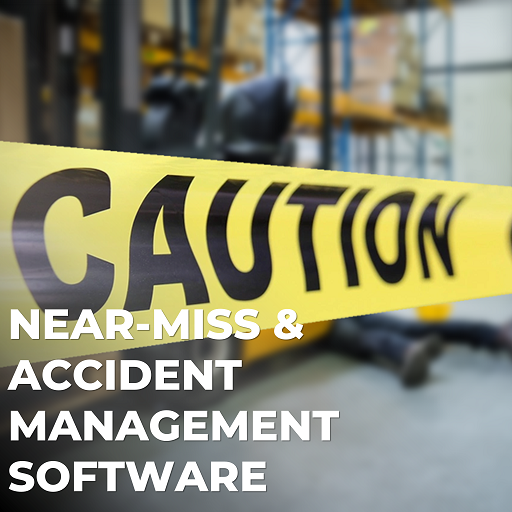
Track and Analyze 100% of Workplace Incidents Introduction Workplace incidents provide critical lessons for prevention. Therefore, organizations must capture every event without gaps. By using Workplace Incident Tracking Software, teams record, investigate, and analyze incidents in real time. Moreover, digital systems replace fragmented reporting. Additionally, visibility improves across all levels. As a result, no incident…

Book a Free Consultation on Deviation Management Today Introduction Deviations impact quality, compliance, and customer trust. Therefore, managing them effectively is critical. By leveraging Deviation Management Consultation Benefits, organizations gain clarity, control, and confidence. Moreover, expert guidance helps uncover gaps quickly. Additionally, tailored solutions speed up improvement. As a result, deviations turn into opportunities. Consequently,…
Customer Complaint Management Software for Continuous Quality Improvement Introduction Customer complaints highlight quality gaps and improvement opportunities. Therefore, forward-looking organizations act quickly on feedback. By adopting Customer feedback management software Benefits, teams capture, analyze, and resolve issues systematically. Moreover, digital platforms replace scattered records. Additionally, visibility improves instantly. As a result, quality strengthens. Consequently, customer…