
Intelligent Audit Workflows Automation for Faster Compliance Intelligent Audit helps organizations simplify audit processes, reduce manual effort, and improve compliance performance. Many businesses still depend on spreadsheets, emails, and paper-based tracking systems. These outdated methods slow down audits and increase the risk of missed actions. By implementing intelligent automation, companies can manage audits faster, track…
Introduction Many organizations now aim to Automate Your Audit Cycle with Intelligent Workflows to improve efficiency and maintain strong compliance systems. Manual audits consume time and often create inconsistencies in tracking and reporting. Limitations of Manual Audit Processes Traditional audits rely on spreadsheets, emails, and paperwork. As a result, teams struggle to track progress and…
Introduction Predict Audit Gaps Before They Happen with Machine Learning is transforming how organizations approach compliance and risk management. Instead of reacting to audit findings, companies can now anticipate gaps early and take proactive action to avoid nonconformities. How Machine Learning Supports Audits Machine learning analyzes historical audit data, trends, and patterns to identify potential…
Organizations that operate under strict quality standards must manage documentation, audits, and procedures carefully. Built-In Compliance Checklists simplify this process by embedding regulatory requirements directly into digital workflows. As a result, teams no longer rely on scattered documents or memory. Instead, they follow structured checklists that guide every step of compliance activities. Consequently, organizations maintain…

Simplifying Compliance with Smart Checklists Smart ISO GMP GxP Compliance Checklists help organizations manage complex regulatory requirements with clarity and speed. Companies use these checklists to standardize tasks, reduce errors, and improve audit readiness across departments. Why Checklists Drive Better Compliance Regulatory frameworks like ISO, GMP, and GxP demand structured processes. Teams often struggle when…
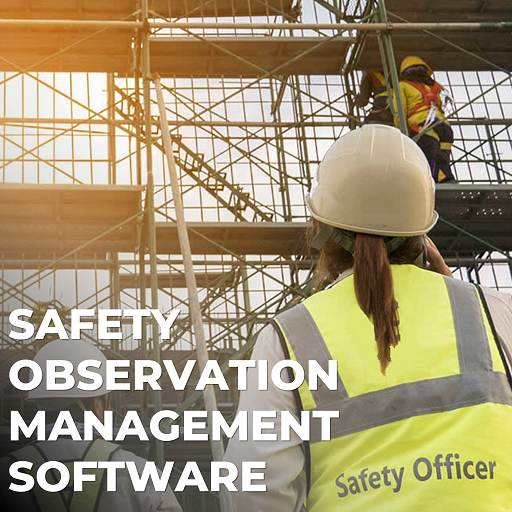
Introduction Building a strong safety culture is essential for modern organizations, and Safety First Workplace Software plays a critical role in achieving this goal. Companies today face increasing compliance demands and workplace risks. By adopting digital tools, businesses can ensure safer environments while improving efficiency and accountability. Why Safety Culture Matters A safety-first culture ensures…
Introduction A Real-Time Audit Monitoring Solution enables organizations to stay ahead of non-conformities and compliance risks in a fast-paced business environment. Many companies struggle with delayed audit reporting, limited visibility, and slow decision-making. These gaps often lead to repeated issues and compliance failures. By adopting a Real-Time Audit Monitoring Solution, teams gain instant access to…
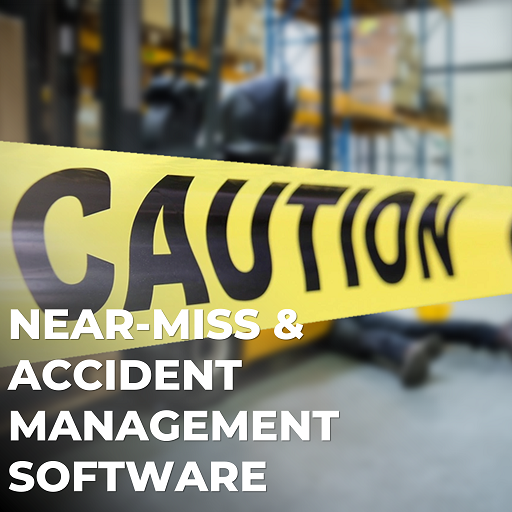
Why Construction Sites Need Digital Investigation Tools Construction Accident Investigation Software is becoming essential for modern construction projects. Construction sites face constant risks such as falls, equipment failures, and unsafe practices. When accidents occur, safety teams must quickly investigate the incident, identify root causes, and implement corrective actions. Manual investigation methods often delay this process…
Introduction to Cross Functional Audits Modern organizations conduct audits that involve multiple departments such as quality, safety, environment, operations, and compliance. In these situations, Cross Functional Audit Software helps teams coordinate audit activities efficiently. A centralized platform allows organizations to manage communication, share information quickly, and improve the overall effectiveness of audits. Clear Role Allocation…
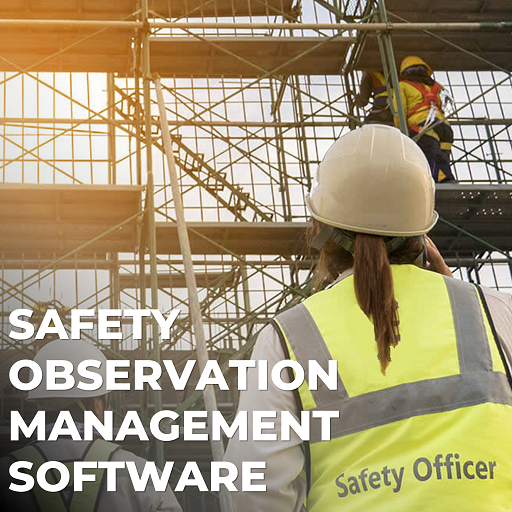
Streamlined Documentation Through Workplace Safety Software Introduction Managing safety documents manually creates delays, errors, and compliance risks. However, digital systems change this challenge into an advantage. With Workplace Safety Documentation Software, organizations organize records, simplify reporting, and improve accessibility. Moreover, centralized storage replaces scattered files. Additionally, automated workflows reduce paperwork. As a result, safety documentation…