

Safety Observation Reporting Software for Real-Time Tracking Introduction Workplace safety depends on timely action. When hazards go unnoticed or reporting is delayed, risks increase. Traditional paper-based systems or manual logging often slow down responses. That’s why safety observation reporting software for real-time tracking has become vital. It enables instant hazard reporting, faster corrective actions, and…

Near Miss Reporting Software: Why Do Businesses Need? Accidents don’t happen overnight—they are often preceded by warning signs. Near miss reporting software allows businesses to capture these warning signals before they escalate into serious incidents. By tracking unsafe acts or conditions, organizations can reduce risks, protect employees, and strengthen compliance. Why Near Miss Reporting Matters…

Safety Observation Reporting Software for Continuous Safety Monitoring Introduction Workplace safety is never a one-time task. It requires ongoing vigilance, proactive observation, and effective reporting. Many organizations still rely on manual logs or paper-based checklists, which often delay action and hide critical patterns. That’s why safety observation reporting software for continuous safety monitoring has become…

Protect Your Site with Secure PTW Software Introduction High-risk industries face constant safety and compliance challenges. Paper-based systems or unsecured digital methods often expose businesses to accidents, unauthorized work, and compliance failures. The best way forward is to protect your site with secure PTW software. By digitizing permits, enhancing access controls, and ensuring real-time monitoring,…

Permit to Work Software That Saves Time and Effort Introduction Workplace safety and efficiency go hand in hand. Manual permit-to-work systems often slow down operations, create bottlenecks, and lead to errors. By switching to Permit to Work Software That Saves Time and Effort, organizations can digitize safety approvals, reduce delays, and simplify compliance. This transformation…

Accident Management Software Solutions: Say Bye to Paperwork Workplace accidents demand accurate reporting and timely follow-ups. Yet, many organizations still rely on paper-based processes that waste time and increase risks of errors. Accident management software solutions eliminate these challenges by digitizing reporting, investigations, and corrective actions. Why Move Beyond Paperwork? Paper records can get lost,…

Automated Accident Reporting Software: Process Today 2025 Accidents can happen in any workplace, but how organizations manage them makes all the difference. Manual reporting is often slow, inconsistent, and prone to errors. By using automated accident reporting, companies can simplify reporting, ensure compliance, and strengthen workplace safety. Why Automation in Accident Reporting Matters Traditional accident…

Tracking Near Miss Incidents: Are You Effectively? Near misses are warning signs—opportunities to prevent future accidents. Yet many organizations fail to capture and act on them. Tracking near miss incidents ensures that hidden risks are identified and addressed before they lead to serious injuries or costly disruptions. Why Near Miss Tracking Matters Every near miss…

Benefits of BBS Software: What Are the Benefits of Using? Improving workplace safety requires more than just rules—it needs active employee participation. The benefits of BBS software (Behavior-Based Safety software) go beyond compliance, helping organizations reduce risks, engage employees, and create a culture where safety is everyone’s responsibility. Key Benefits of BBS Software 1. Enhanced…
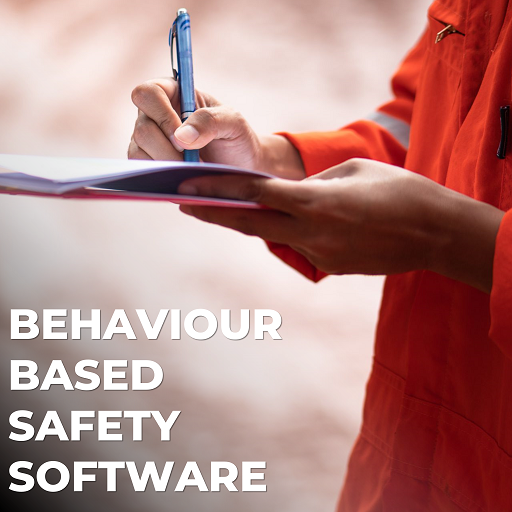
Workplace Behaviour Safety Software: Why Do Businesses Need? A strong safety culture is built on consistent observation and proactive action. Workplace behaviour safety software enables organizations to identify unsafe acts, monitor employee practices, and reduce risks before accidents occur. What Is Workplace Safety Software? Workplace behaviour software digitizes traditional behaviour-based safety programs. It allows employees…