

Workplace safety is not only a top priority but also a legal requirement for organizations handling high-risk tasks. In this regard, Workplace safety Permit to Work Software plays a crucial role in ensuring that hazardous jobs strictly follow proper procedures, approvals, and risk assessments. By digitizing the permit process, companies can not only reduce accidents…
An EHS audit is a systematic evaluation of workplace environmental, health, and safety (EHS) compliance. Notably, it helps organizations identify risks, ensure regulatory adherence, and implement corrective actions. However, manual audits can be time-consuming, error-prone, and difficult to manage. Consequently, companies often struggle with tracking compliance, maintaining records, and ensuring audit accuracy. Furthermore, these inefficiencies…

Workplace Incident Reporting: Key to Safer Work Environments Ensuring workplace safety begins with the establishment of an effective incident reporting system. When workplace incidents go unreported, hazards remain unnoticed and unaddressed, ultimately increasing the likelihood of future accidents. Over time, this can create an unsafe work environment, putting employees at risk and exposing organizations to…

Proactive Safety Measures with Near Miss Safety Software Preventing workplace accidents begins with the critical step of identifying potential hazards before they have the chance to cause harm. One effective tool in this process is near miss safety software, which plays a pivotal role in helping organizations systematically capture, analyze, and take proactive actions based…

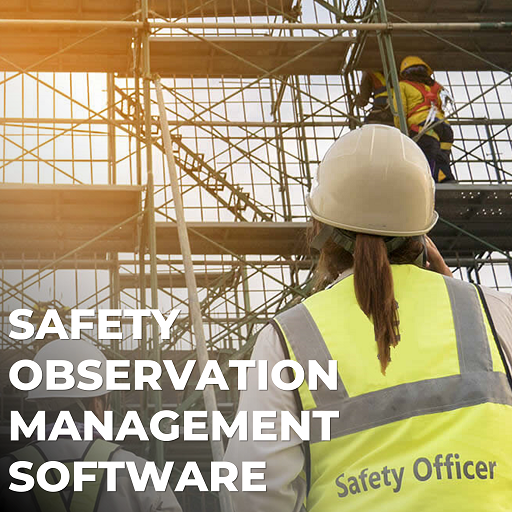
Best BBS Software for Workplace Safety – Try It Now for Free Ensuring a safe work environment is a top priority for any organization. By implementing the best Behavior-Based Safety (BBS) software for workplace safety, companies can significantly strengthen their safety culture. This advanced technology not only helps track safety observations but also plays a…

In today’s high-risk industries, fostering a strong Culture of Safety Software is no longer optional—it is essential for protecting employees and ensuring regulatory compliance. To achieve this, many organizations are turning to Safety Permit to Work (PTW) software. By integrating this digital solution, companies can enhance accountability, streamline safety processes, and prevent workplace incidents. Furthermore,…

Essential Features of Behavior-Based Safety Software for Workplace Safety Selecting the right safety software is a critical step in creating a secure and well-managed work environment. Behavior-Based Safety software (BBS) serves as a powerful tool in identifying potential risks, preventing workplace incidents, and ensuring full compliance with safety regulations. By leveraging the right features, organizations…

Enhancing Workplace Safety with Near Miss Reporting Software Workplace safety remains a top priority for organizations, and implementing near miss reporting software is a crucial step toward accident prevention. A near miss refers to an unplanned event that, while not causing injury or damage, had the potential to do so. Although these incidents may seem…

The Cost Benefits of BBS Software: A Smart Investment in Workplace Safety Investing in workplace safety is a crucial decision for any organization, and the cost benefits of BBS (Behavior-Based Safety) software make it an exceptionally effective solution. This technology enables companies to track, analyze, and improve safety practices, ultimately reducing accidents and financial losses.…

Integrating Near Miss Reporting Software into Safety Program Workplace safety programs are most effective when potential hazards are identified and addressed before incidents occur. Therefore, integrating near miss reporting software is a crucial step in streamlining hazard detection, improving response times, and fostering a culture of proactive safety. By leveraging digital reporting solutions, organizations can…