

Safety Observation Management Software: A Complete Implementation Guide Introduction Implementing workplace safety systems can feel overwhelming, especially when teams rely on outdated manual processes. To address these challenges, organizations are adopting Safety Observation Management Software. This digital solution centralizes hazard reporting, improves compliance, and strengthens safety culture. With the right implementation guide, businesses can streamline…

Near Miss Reporting Safety: How Can Improve Workplace Safety? Workplace safety doesn’t only rely on preventing accidents—it starts with addressing risks before they turn into incidents. Near miss reporting safety practices provide organizations with valuable insights into unsafe conditions, allowing them to take preventive action. What Is Near Miss Reporting? A near miss is an…
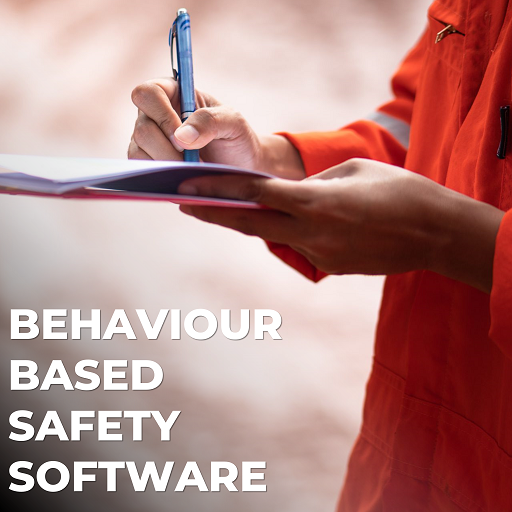
Workplace Behaviour Safety Software: Why Do Businesses Need? A strong safety culture is built on consistent observation and proactive action. Workplace behaviour safety software enables organizations to identify unsafe acts, monitor employee practices, and reduce risks before accidents occur. What Is Workplace Safety Software? Workplace behaviour software digitizes traditional behaviour-based safety programs. It allows employees…

Safety Observation Management Software vs. Manual Reporting Introduction Workplace safety depends on how quickly organizations identify, track, and resolve hazards. Traditionally, many companies relied on manual reporting through paper forms, spreadsheets, or verbal communication. While this method works, it often creates delays, errors, and incomplete data. Safety Observation Management Software provides a modern, digital alternative…

Meet Audit Requirements Using EPTW Software Introduction For industries where safety and compliance are top priorities, meeting audit requirements can be challenging. Manual processes often create gaps, delays, and errors that affect compliance outcomes. EPTW Software (Electronic Permit to Work) helps organizations meet audit requirements by offering centralized records, real-time visibility, and automated workflows. With…

Safety Observation Management Software for Risk Reduction Introduction In today’s dynamic workplaces, risks can emerge at any moment. Safety Observation Management Software helps organizations identify hazards, track unsafe behaviors, and implement corrective actions before they escalate. Unlike manual reporting, digital systems enable real-time visibility, structured workflows, and faster resolutions. This blog explores how such software…

Key Features to Look for in Safety Permit Software Introduction Managing high-risk work requires precision, accountability, and compliance. Safety Permit Software helps organizations authorize, track, and control hazardous tasks with accuracy. Unlike paper-based permits, digital solutions provide real-time visibility, automated workflows, and better compliance management. In this blog, we highlight the key features that companies…

Is Permit to Work Software Worth the Investment? Introduction In today’s competitive industrial environment, safety and efficiency are critical. Permit to Work Software helps organizations manage hazardous work, ensure compliance, and reduce risks. Many companies still depend on paper-based permits, which often cause errors, delays, and poor tracking. By moving to digital solutions, organizations gain…

Safety Reporting Tools Comparison: Leading Tools 2025 Choosing the right safety software is critical for compliance, transparency, and worker protection. A safety reporting tools comparison helps organizations evaluate features, usability, and value before making an investment. Why Safety Reporting Tools Matter Safety reporting tools streamline how companies capture incidents, near misses, and hazards. Instead of…

How Our Near Miss Reporting Software Stands Out Introduction In workplace safety, Near Miss Reporting Software is not just a tool but a necessity. Organizations across industries face safety risks daily, and without an effective reporting system, potential hazards often go unnoticed. By implementing advanced software, companies can identify unsafe conditions early, prevent accidents, and…